 MyWay
MyWayDelivery Route Planner for UPS Drivers
Plan and Optimize your route with a simple & easy to use app



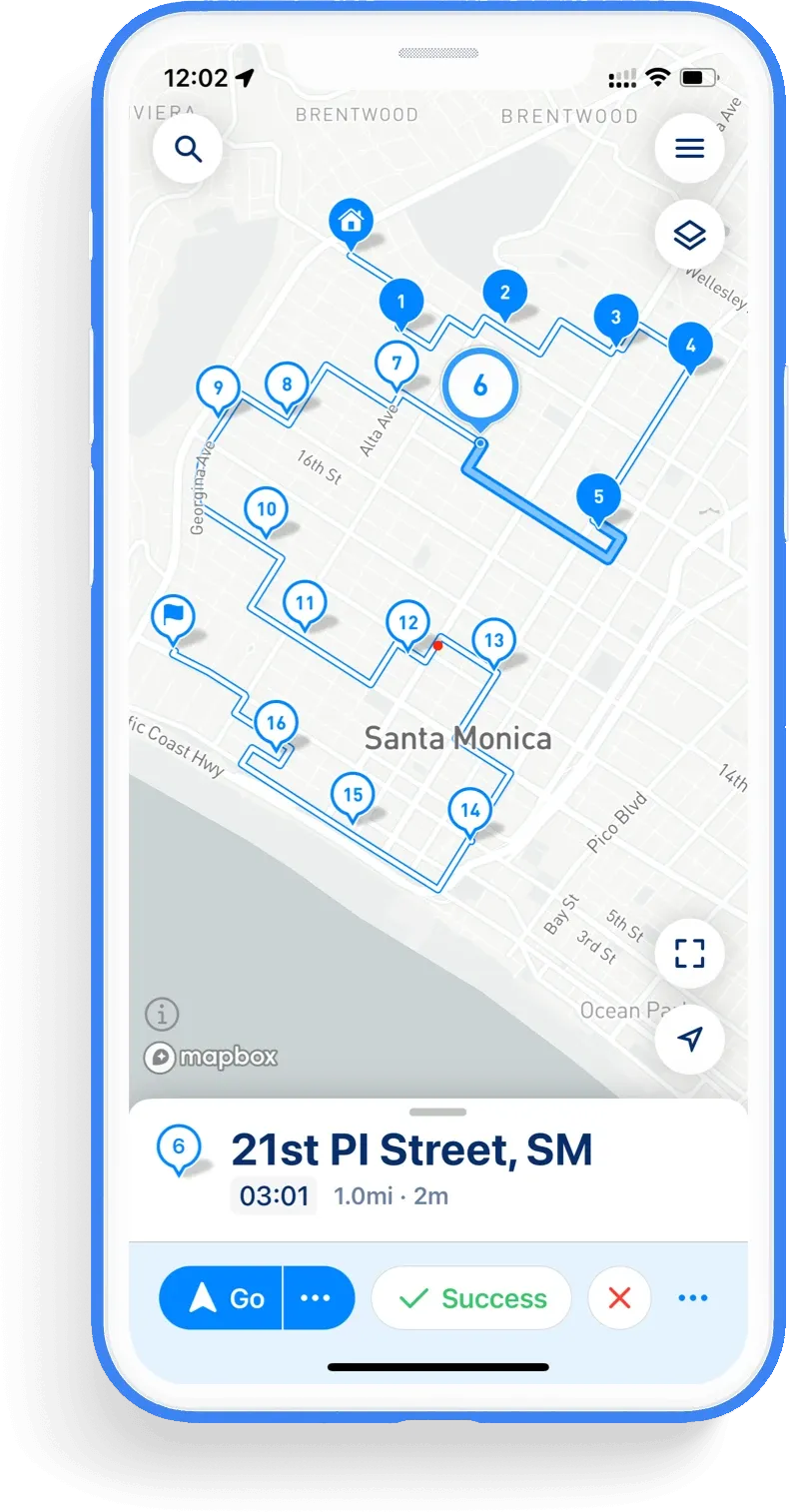
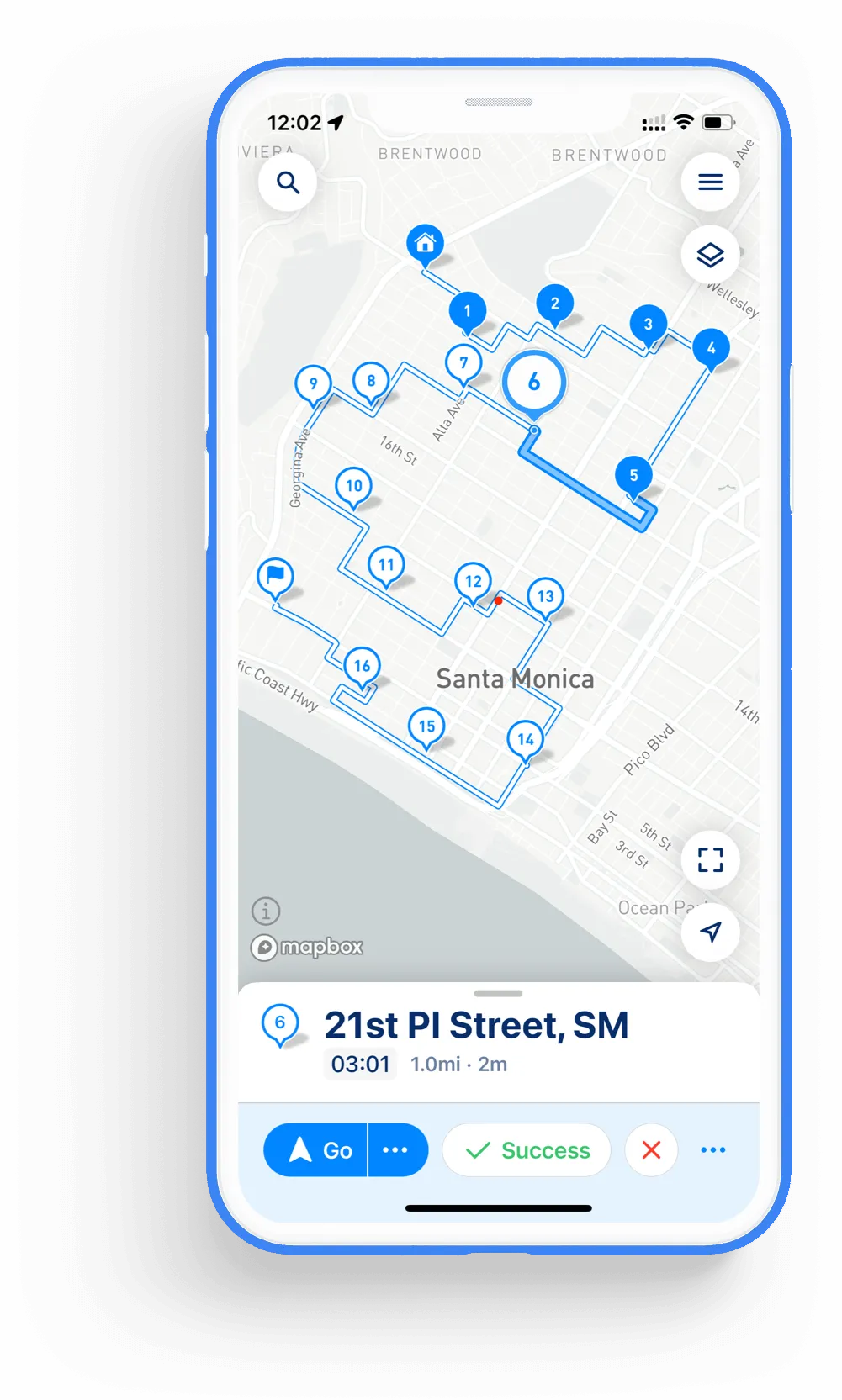
Delivery route planner and optimization app for UPS drivers
At UPS, efficiency is key. But at MyWay, we focus on helping you finish your deliveries faster and get home sooner. That’s why we created MyWay, a route planner and optimizer built specifically for delivery drivers. With just a photo, you can load all your stops, optimize for the quickest route, and navigate easily using your favorite nav app. MyWay helps you save up to an hour a day, lower fuel costs, and wrap up deliveries early. Don’t go the extra mile — go MyWay.
MyWay Route Planner will help you
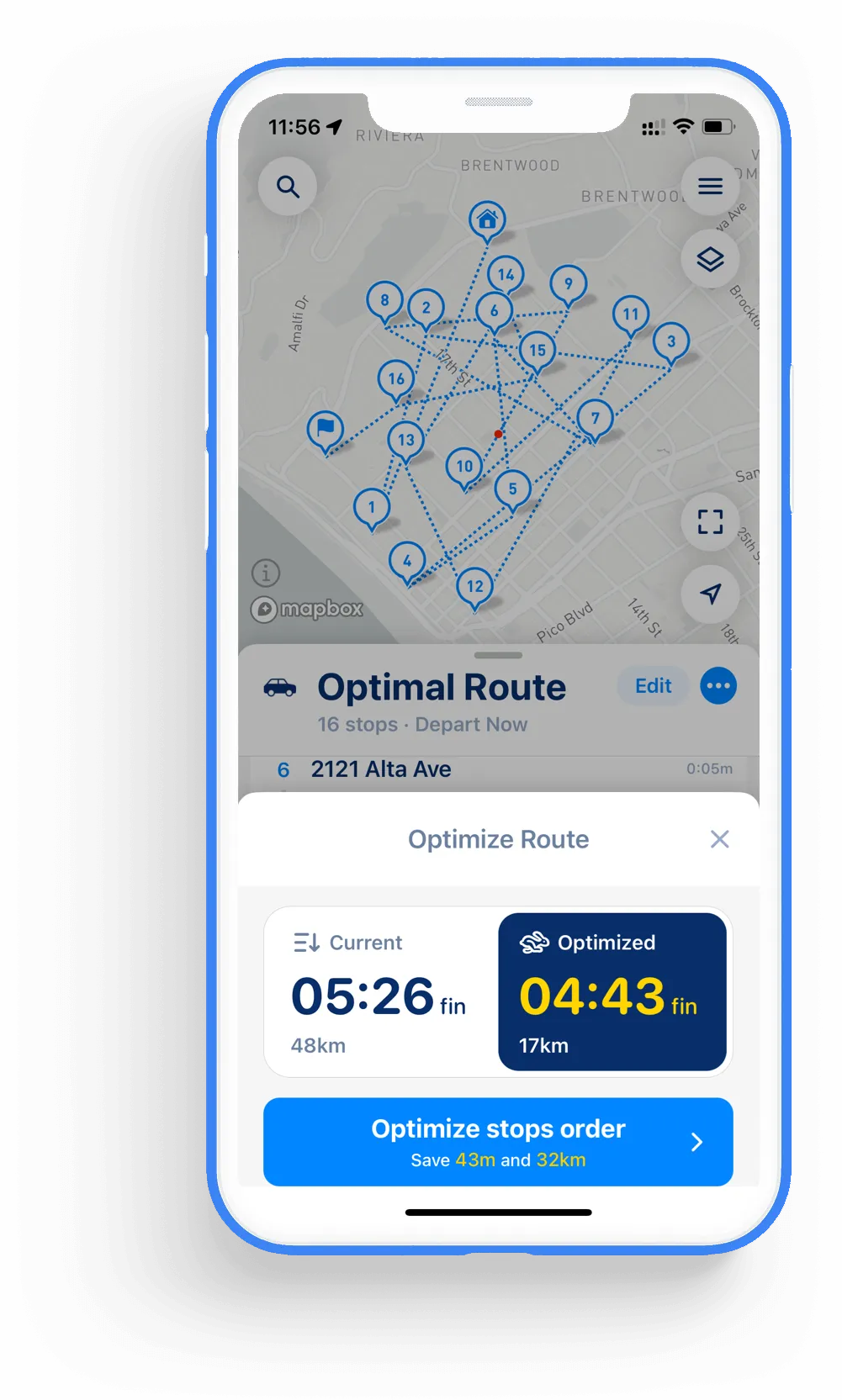
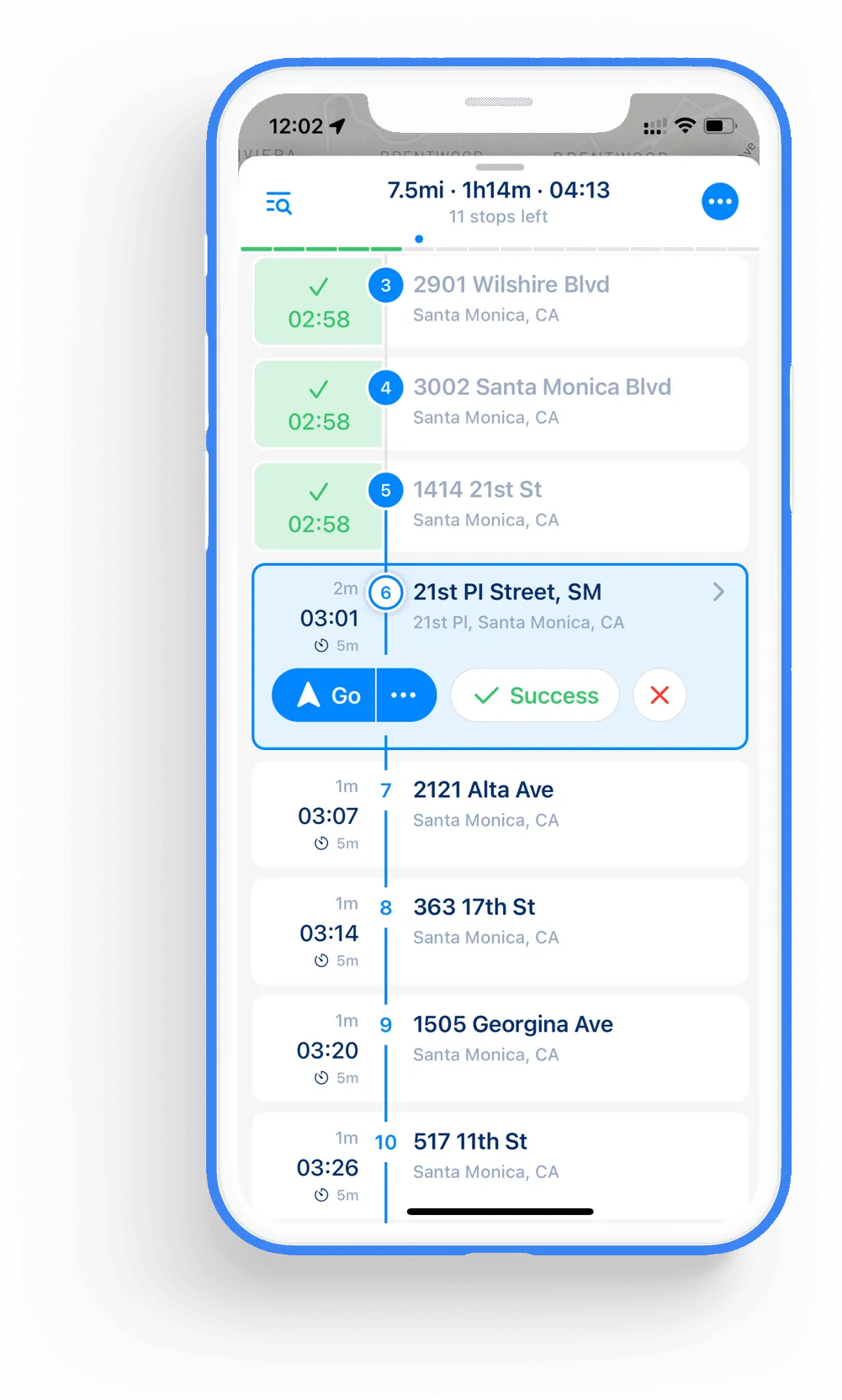
MyWay Route Planner app optimises every aspect of route planning from address input to navigation
We have the most up-to-date maps, addresses, and places databases from Google, Mapbox, Here, TomTom, ArcGis, Apple and OpenStreetMap combined into a single app.
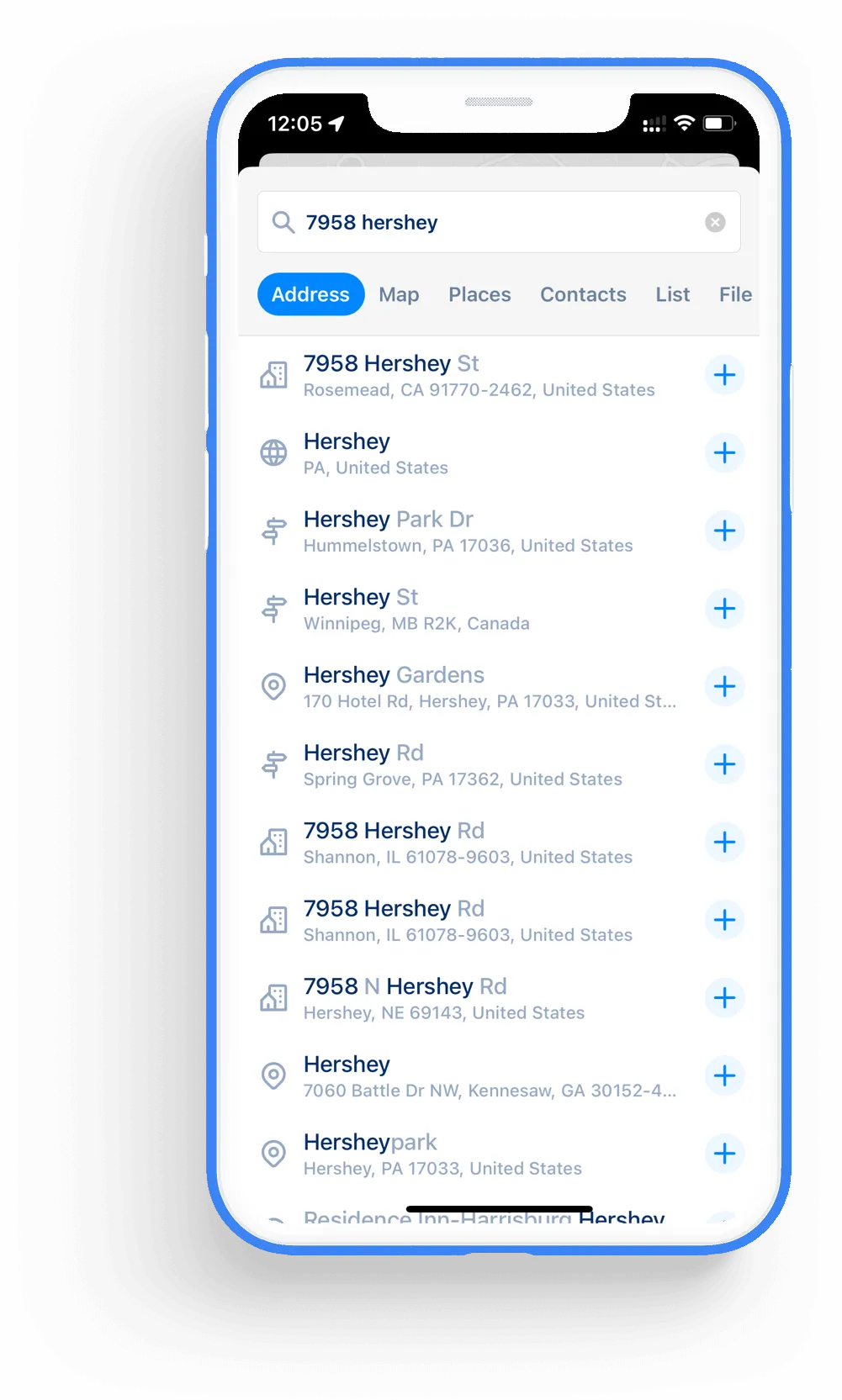
You can input stops one by one, use multi-line import, import from file (Excel and .CSV), photo, phonebook, from link, etc.
We use the best route optimization algorithms to build a route that is the most efficient, or you can use your stops order.
One-click navigation to every stop with your favorite Google Maps, Waze, Here WeGo, MapsMe, Apple Maps, etc.
What UPS and other drivers say about us
“Amazon deliveries can be chaotic, but MyWay Route Planner makes it so much easier. I love how I can set time windows and priorities for each stop. Fuel savings are noticeable, and I’m consistently finishing my routes faster than before.”
“MyWay Route Planner has transformed the way I shop for clients! It helps me plan efficient shopping routes, saving time and energy. The app's user-friendly design and accurate directions make it an essential tool for any personal shopper. Love it!”
“I’ve been using MyWay Route Planner for a while now, and it’s great. I can optimize hundreds of stops in no time, and the ability to manage routes based on delivery windows is super useful. It has made my job far more efficient.”
“As a UPS driver, MyWay Route Planner has been a game-changer for me. My routes are usually 100+ stops daily, so MyWay saves me hours and reduces fuel costs dramatically. The live traffic feature is spot on, and integration with Google Maps is seamless. Highly recommended for any driver out there!”
“MyWay has been incredibly helpful for my daily routes. The app is intuitive, and I can adjust stops easily. Managing routes with various priorities and time windows is now stress-free. It’s the best route planner I’ve used.”
“As a field technician, MyWay Route Planner is a game-changer! It helps me plan my service calls effectively, reducing travel time and increasing customer satisfaction. The app's extensive address coverage and reliable navigation never disappoint. Thumbs up!”
Join 7000+ UPS drivers and get home earlier!
MyWay app helps you to build efficient routes: about 30% shorter on average, saving your time and money on fuel
Frequently Asked Questions
The top 10 answers every UPS delivery driver needs to know
How does UPS optimize routes?
UPS optimizes routes using data analysis, assessing factors like package contents, driver performance, and geographic navigation challenges. Their in-house software, ORION, helps identify the most efficient delivery paths. Additionally, UPS utilizes a handheld device called the DIAD (Delivery Information Acquisition Device) to aid drivers in generating optimal routes, ensuring timely and efficient deliveries across their network.
What routing software does UPS use?
UPS uses ORION, which stands for On-Road Integrated Optimization and Navigation. ORION calculates delivery routes by considering factors like distance, fuel usage, and time per stop. Its main goal is to minimize the total miles drivers travel, creating practical routes that improve over time with regular use. Rather than aiming for a flawless route, ORION focuses on generating efficient paths that adapt based on driver experience and data.
How many deliveries does a UPS driver make in a day?
UPS drivers typically aim to deliver at least 100 packages per shift. This high volume of deliveries contributes to their demanding workdays, which is why they earn around $18 per hour instead of minimum wage. The workload requires significant effort and efficiency to manage the busy schedule.
How does the DIAD help UPS drivers deliver packages efficiently?
The DIAD (Delivery Information Acquisition Device) enhances UPS delivery efficiency by facilitating real-time communication between drivers and the management network. Using Gobi technology, it connects even in low cellular signal areas. Drivers can view their entire daily route and receive updates directly through the device, ensuring everyone stays informed. This streamlined communication helps adapt routes as needed, making the delivery process smoother and more efficient.
How long does a UPS route take?
A UPS driver typically makes between 100 and 200 stops per day, resulting in a workday of about 9 to 11 hours. The duration can vary based on traffic, driving speed, breaks, and route planning efficiency. For customers, once a package is marked as "out for delivery," it can take up to 12 hours for it to arrive.
Do UPS drivers have to finish their routes before clocking out?
Yes, UPS drivers must complete their routes before clocking out. Unlike a fixed end time, drivers finish their shift only after completing their deliveries or assisting colleagues who may need help. Upon finishing, they return to a local UPS center, where management reviews their stops, package volume, and distance driven before officially ending their workday.
Why don’t UPS trucks have doors?
UPS trucks often appear to lack doors, but they do have them. The practice of leaving doors open during deliveries is common among drivers for several practical reasons. First, UPS trucks typically do not have air conditioning, making it uncomfortable for drivers, especially in warmer weather. Leaving the doors open helps keep the cab cool.
UPS trucks are equipped with sliding doors that retract into the side of the vehicle instead of traditional outward-opening doors. This design is intentional, as sliding doors allow for easier access in tight spaces, reducing the risk of obstruction from nearby cars, mailboxes, or narrow alleyways. This practical feature enhances efficiency during deliveries, making it quicker for drivers to get in and out of the truck.
Do ORION and the DIAD really work?
Yes, but with some caveats. ORION and the DIAD have generally helped improve efficiency for UPS drivers, with UPS reporting an average savings of about eight miles per route. However, many drivers criticize the software for generating impractical routes.
Some have encountered situations where they have three stops on the same block, spaced out by long drives. Others face issues like the system overlooking business closing times, forcing them to ignore the recommended route. Drivers often need to make adjustments on the fly to ensure timely deliveries.
In summary, ORION does make drivers more efficient, but not because it optimizes routes very well. Experienced drivers often step in to tweak the routes and address any glitches, making the system work better in real-world scenarios.